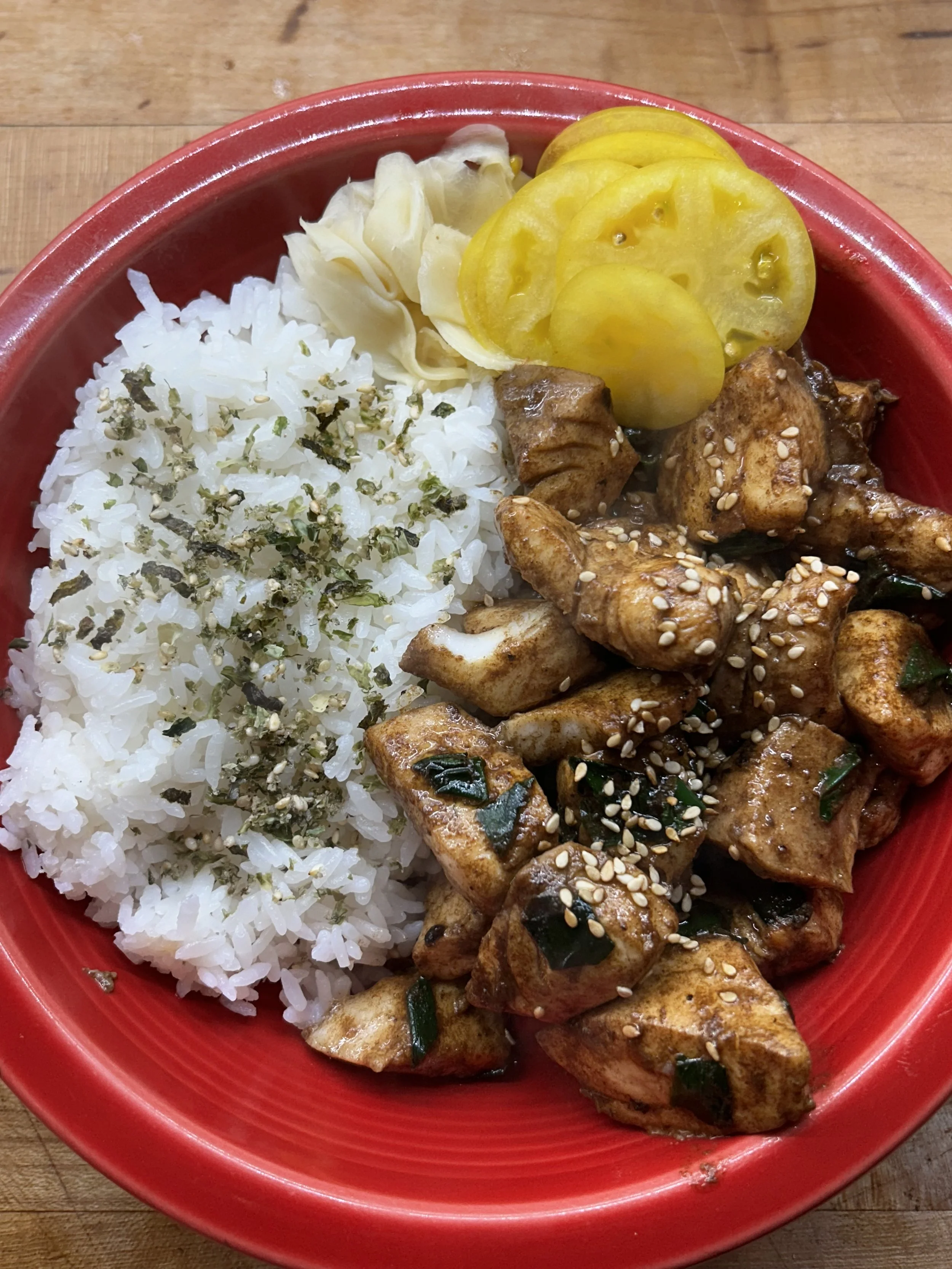
Easy Kanpachi
An estimated 80% to 90% of American adults eat seafood, yet a striking disconnect exists between where we order it and where we feel comfortable cooking it. While restaurants account for a significant share of seafood spending, Americans eat most seafood by volume at home.
At home, Americans tend to stick to familiar, dependable staples: canned tuna, shrimp, fish sticks, and tilapia. Restaurants, on the other hand, are where diners are willing to experiment—trying unfamiliar species, exploring new preparations, and venturing beyond their usual choices.
Part of that hesitation comes down to confidence and cost. Many home cooks feel less comfortable preparing seafood than other proteins, and because fish can be a pricier purchase, the prospect of an unsuccessful meal feels like a bigger risk. Understanding merroir—how ocean currents, water temperature, and diet shape the flavor and texture of a fish—can take the guesswork out of cooking and give you the confidence to try something new.
What Hawaii Gets Right
It is no surprise that Hawaii leads the nation in per capita seafood consumption. While California consumes more seafood by total volume, Hawaii’s residents eat nearly 40 pounds of seafood per person annually. That difference isn't just about access to fresh fish; it is about how deeply seafood is woven into everyday food culture.
In Hawaii, seafood isn't reserved for special occasions or restaurant outings—it is part of the regular weeknight rotation. That distinction offers an important lesson for the rest of the country: increasing seafood consumption has less to do with convincing people to eat more fish and more to do with making it approachable, practical, and enjoyable to cook at home.
For that to happen, the right fish matters.
Why Hawaiian Kanpachi Works
Most home cooks want straightforward preparations: minimal ingredients, short prep times, and simple cooking techniques, ideally all in one pan. Finding a fish that holds up to high heat without drying out or falling apart can be a challenge.
This is where Hawaiian Kanpachi stands apart. Because they spend their lives swimming continuously against strong ocean currents, Hawaiian Kanpachi develop firm, muscular flesh. At the same time, their diet and natural ability to store fat within the muscle give the fish a rich, buttery moisture that distinguishes it from leaner species.
The result is a remarkably forgiving, versatile fish. Its firm structure holds together cleanly when cut into cubes, while its natural fat content keeps it juicy during a quick, high-heat sear. Few fish offer that balance of structure and richness.
Everyday Local-Style Cooking
The recipe below reflects the style of cooking common across Hawaii: resourceful, uncomplicated, and built around letting the quality of the fish shine rather than masking it with heavy sauces or complicated techniques.
For this dish, I used the smaller, irregular cuts and trim left over after breaking down a whole Hawaiian Kanpachi: pieces of belly meat, meat scraped from the bones, and flesh pulled from the head. While those cuts are too irregular for a formal restaurant entrée, they are exceptional eating and make the ideal foundation for a fast weeknight meal.
Easy Hawaiian Kanpachi
Prep time: 10 minutes (plus 2 hours marinating) | Cook time: 5 minutes
Ingredients
1 lb Hawaiian Kanpachi (trim, belly meat, or cubed fillet pieces)
2 tbsp soy sauce
1 tbsp Kewpie mayonnaise (for richness)
1 tsp Sriracha (adjust to taste)
1 tsp fresh ginger, grated
1–2 cloves garlic, minced (or fermented garlic, if on hand)
1 tbsp sesame oil, for cooking
Garnish: Sliced green onions and toasted sesame seeds
For serving: Steamed white rice and pickled ginger
Instructions
Marinate the fish: In a medium bowl, whisk together the soy sauce, Kewpie mayonnaise, Sriracha, grated ginger, and garlic. Add the Kanpachi pieces, toss gently to coat, and refrigerate for about 2 hours to absorb the flavors.
Sear over high heat: Heat the sesame oil in a skillet over high heat until shimmering. Add the marinated Kanpachi in a single layer and quickly sauté for 3 to 5 minutes, turning occasionally, until browned on the outside and just cooked through.
Garnish and serve: Transfer the fish over a bowl of warm white rice. Finish with sliced green onions and sesame seeds, and serve with pickled ginger on the side.
Not every seafood meal needs to be fancy or restaurant-worthy, and keeping dinner simple shouldn't mean settling for canned tuna or fish sticks. With a forgiving piece of fish, a handful of pantry staples, and a hot pan, anyone can make great seafood part of their everyday routine.
#Merroir #HawaiianKanpachi #Seafood #SeafoodEducation #EatMoreSeafood #TagalOceanic